A few published articles—some serious, some fluff … while this is far from a complete representation of my work, it offers a little peek into my writing career.
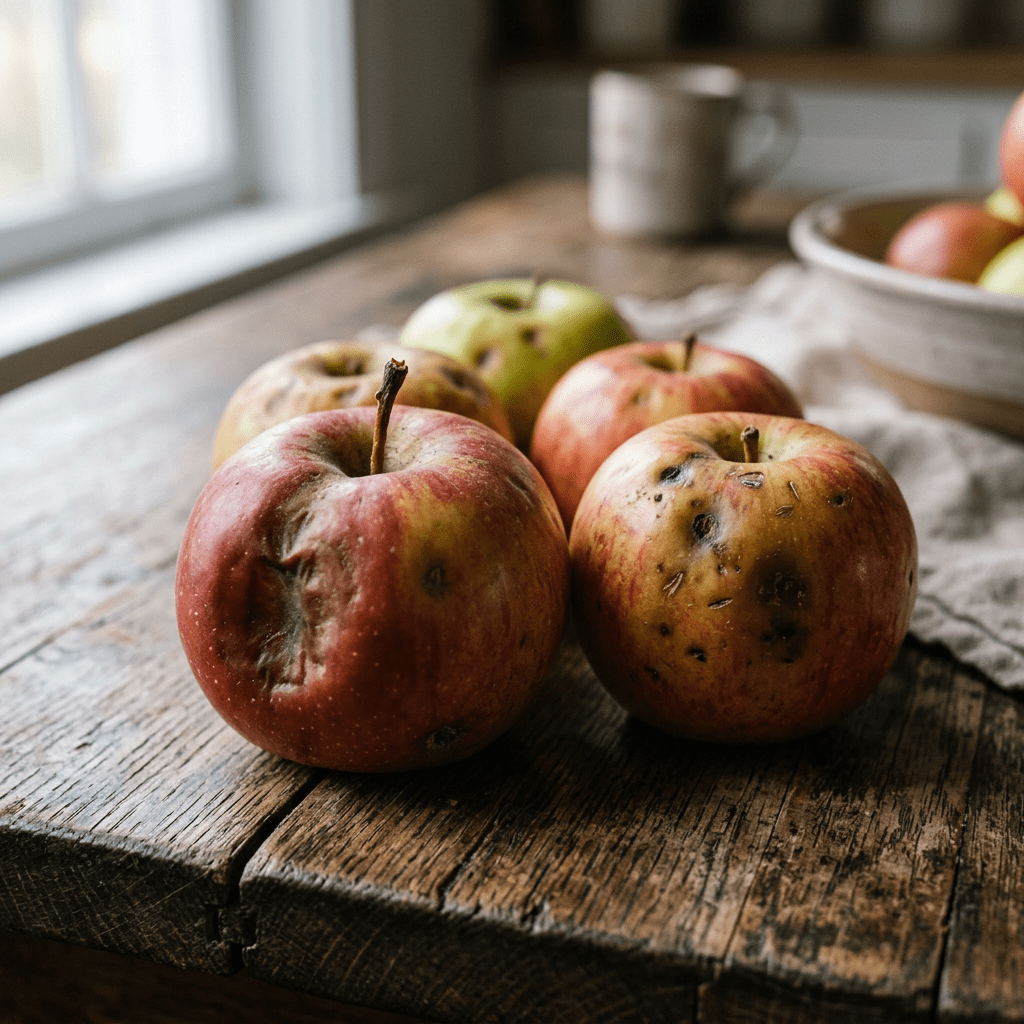
Beyond Perfect Produce
How the agbioscience industry is helping feed an imperfect world.
Food. We all need it. And there’s more than enough to go around. According to the USDA Economic Research Service, in 2010 the U.S. food supply provided 4,000 calories per person per day, yet the average American consumed far less at just 2,476 calories per day. Still, more than 40 million Americans face hunger. So, while some Americans are eating more and wasting more, many barely have enough to eat. READ MORE
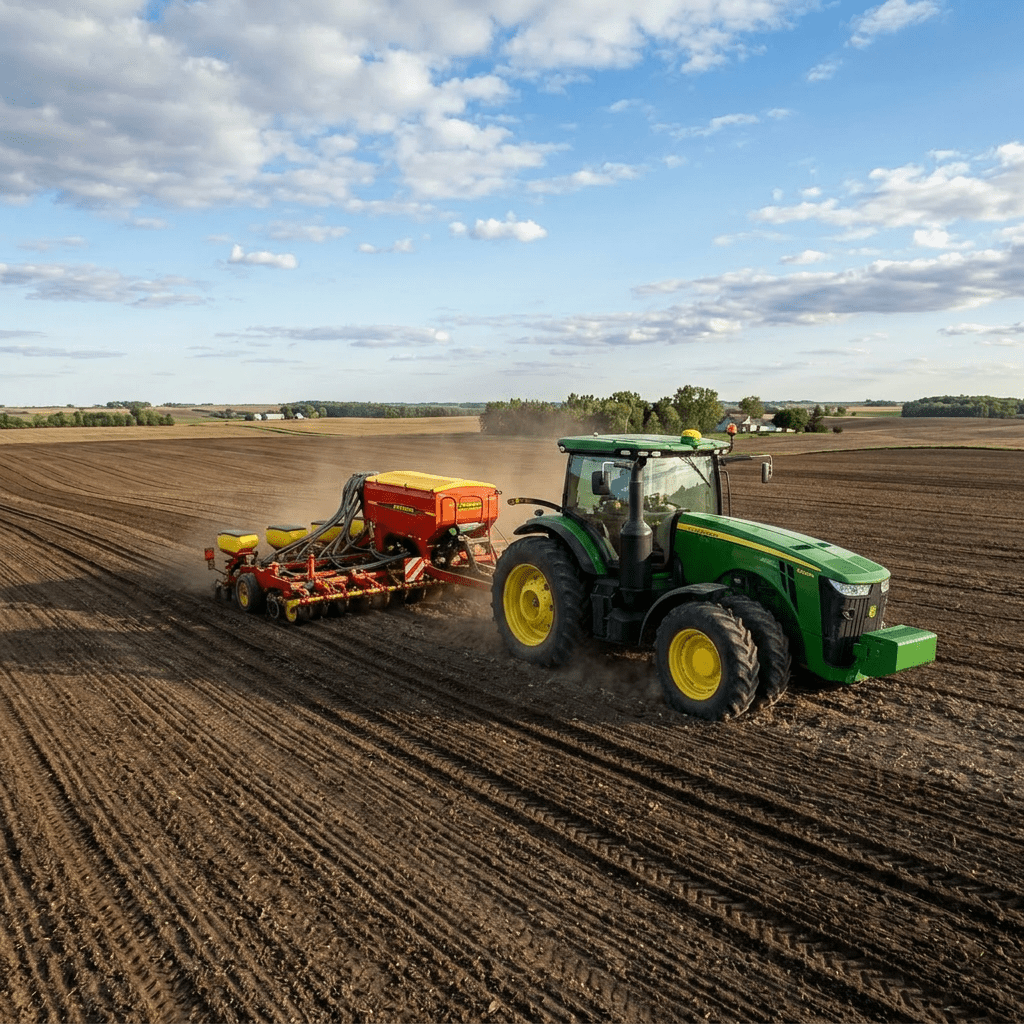
Transforming America’s Food Culture (1/2)
Tackling food deserts and an ever-growing population that doesn’t have enough to eat.
In the early 1800s, the newly independent United States relied heavily on agriculture with over 80 percent of the population directly involved in farming. By midcentury, however, the farming sector fell drastically behind other emerging industries—manufacturing, transportation, services—to roughly 50 percent. Today, a mere two percent of the U.S. population is comprised of farm and ranch families. READ MORE
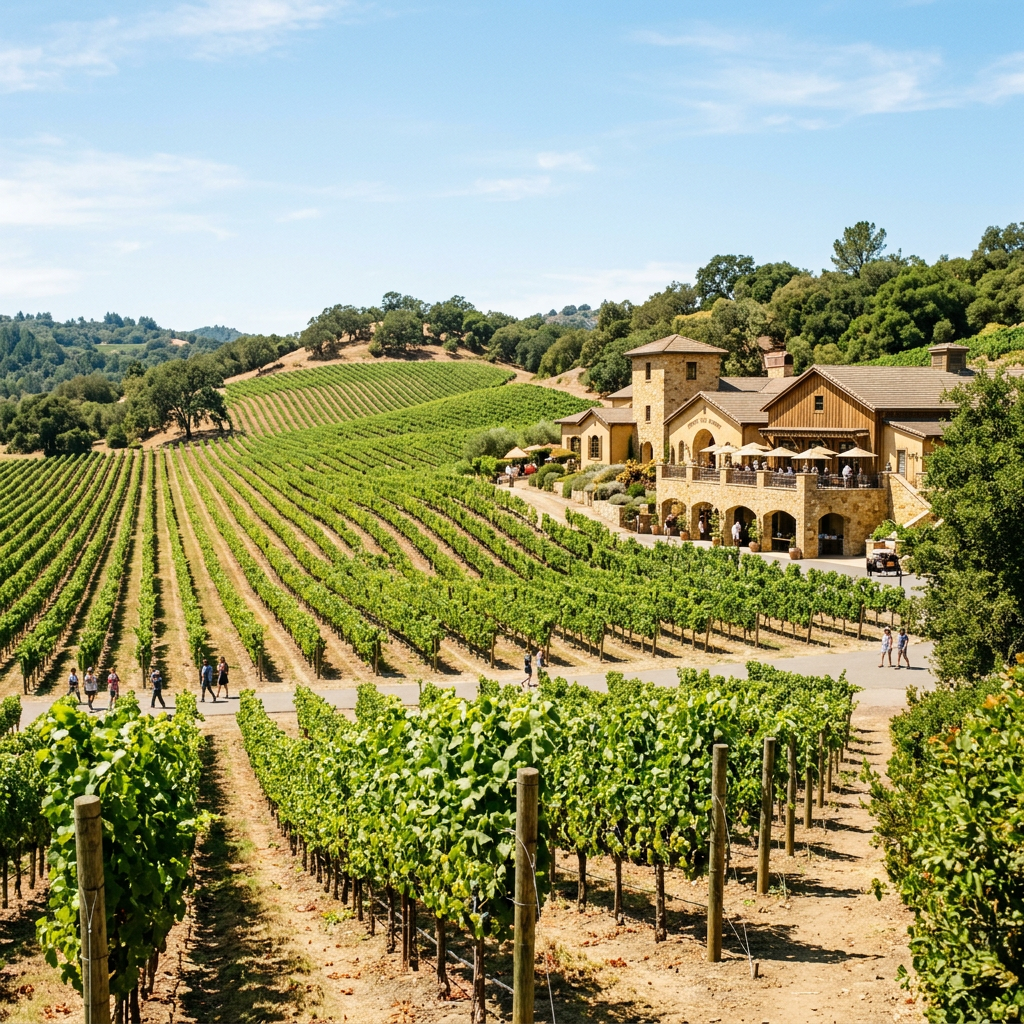
A Conversation with Wine Royalty
The Mondavi family’s new label is something worth celebrating.
It’s not every day you get a chance to sip wine with a member of one of the country’s—let alone the world’s—most renowned wine-making families. Dante Mondavi, grandson of legendary winemaker Robert Mondavi, talks about the estate’s tenth release, the Continuum Sage Mountain Bordeaux-style red (sometimes called a proprietary red in the U.S.). READ MORE
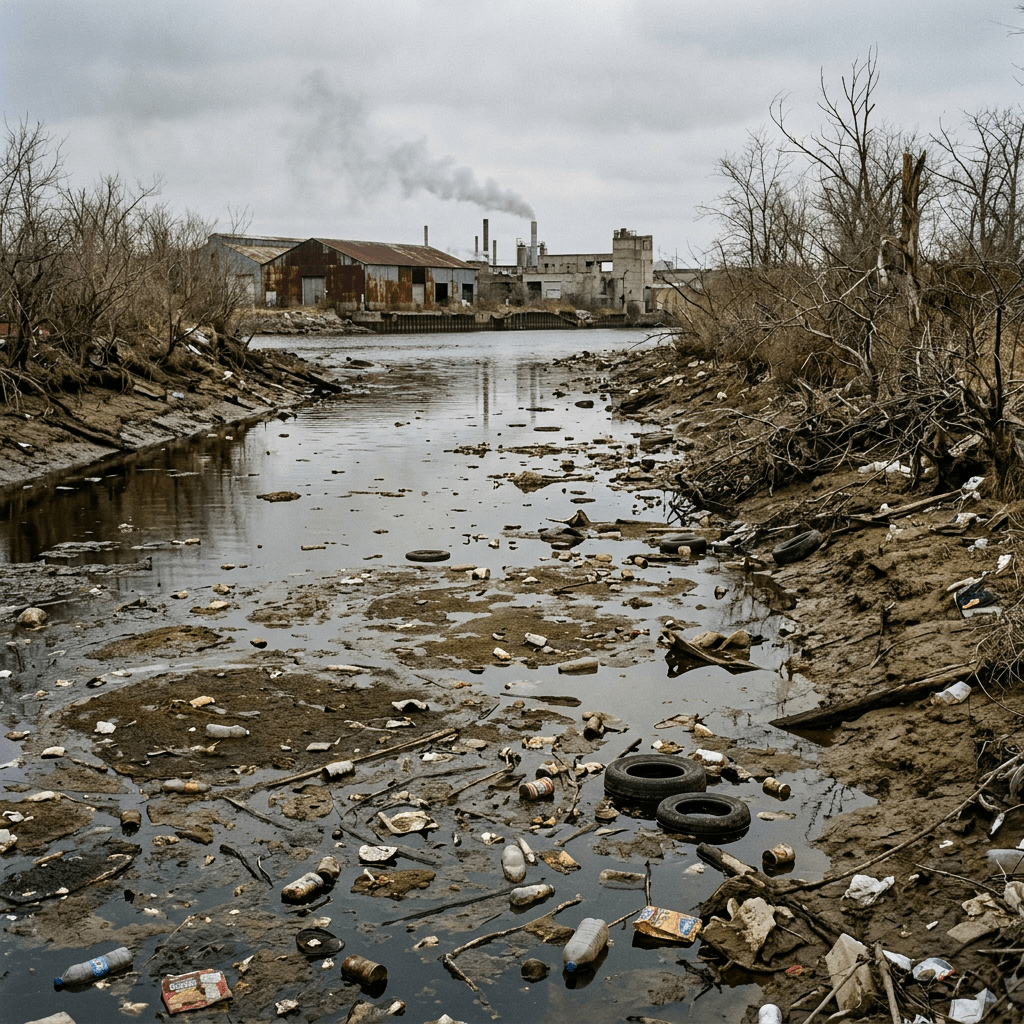
MW Rivers Contributions to the Dead Zone
The beginning steps in this massive problem.
Nutrients—nitrogen, phosphorus and potassium among others—feed one of the world’s largest dead zones—an oxygen-free area the size of Connecticut. Located at the mouth of the Mississippi and the Gulf of Mexico, nothing can grow or live in the oxygen-deprived area, causing a nearly $1 billion economic disruption to the Gulf’s fishing industry, let alone the environmental impact. READ MORE

Sustainability for the Real World
How can we manage our trash in a way that’s good for the environment?
Waste is a problem. But it’s not news. In his 1980 State of the Union Address, President Carter urged Americans to take heed: “As individuals and as families, few of us can produce energy by ourselves … I call on you—in fact, all the people of America—to help our nation. Conserve energy. Eliminate waste.” READ MORE
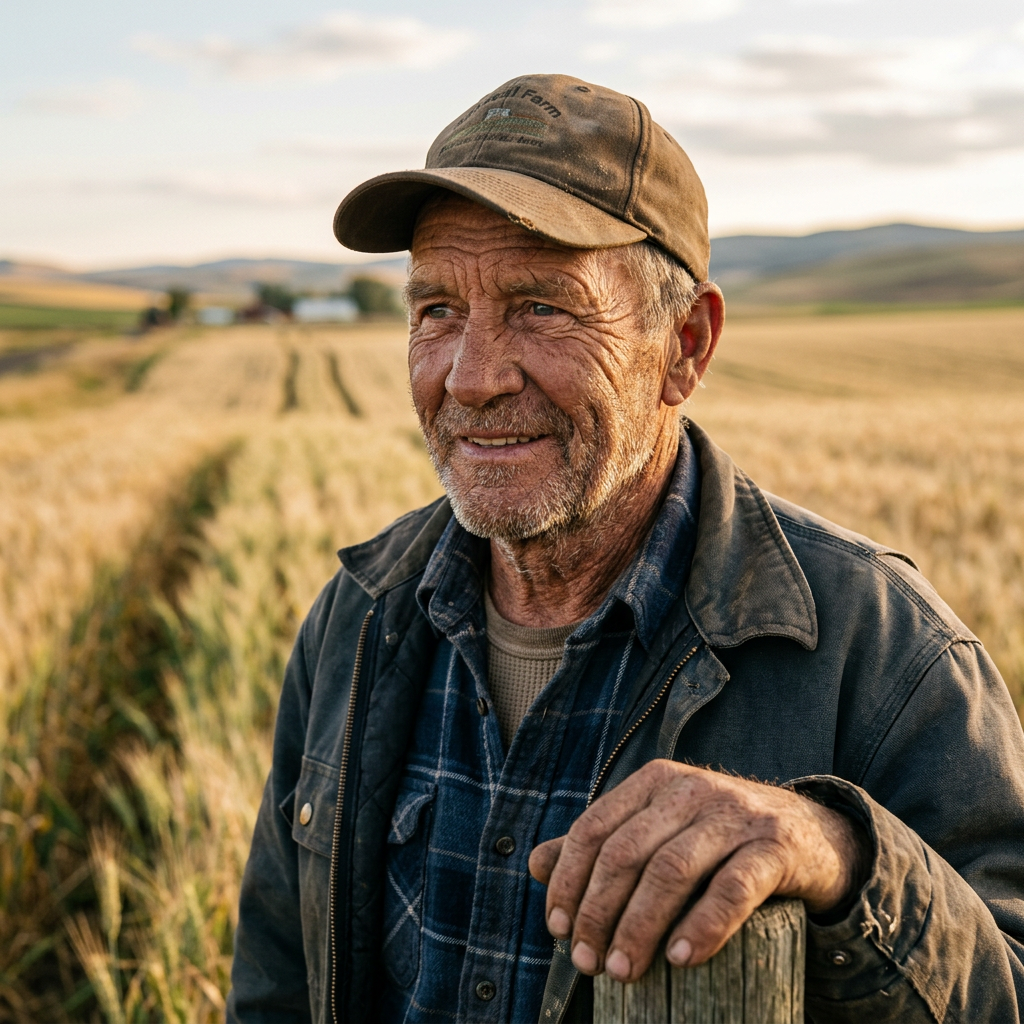
America’s Food Culture: The Aging Farmer (2/2)
The logistics of bringing fresh food to urban areas is a big concern.
While better access to local food in highly populated areas remains a big concern, the issue has evolved from simply improving access, to improving our ability to farm within urban confines. The practice of urban agriculture is being explored and city dwellers are learning to grow and harvest fresh produce with smaller spaces. READ MORE

Women and Guns
How the Sandy Hook tragedy prompted suburban moms to purchase and begin to carry guns.
One woman’s first-hand account of why she now carries a gun. She didn’t grow up with guns and didn’t want them in her home—then Sandy Hook happened, and everything changed. And she’s not alone. In June 2014, the number of Hoosier women with active gun permits rose 47.5 percent over the previous year. READ MORE

Hidden Hawaii
How to visit paradise like no one else.
At only 45 square miles, Kaho’olawe is the smallest of the eight most-known islands and like Ni’ihau, visiting is pretty much next to impossible. Prior to 1990, this small landmass was used by the U.S. military for target practice and some believe there are still unexploded artillery shells. Nowadays, access to the land and surrounding waters is prohibited by law, but if you’re willing to do some volunteer work, you may just get a chance to visit. READ MORE

Nutrition Advice from Top NFL Stars
How to eat properly for optimal performance both on and off the field.
Both Andrew Luck and Anthony Castonzo have been fortunate to have their hard work and athletic prowess award them the opportunity to play a sport they love and turn it into a career—but becoming a professional athlete, or even a collegiate athlete, isn’t a reality for most kids. Which is why it’s so vital that exercise combined with healthy lifelong eating habits be a priority regardless of their future in organized athletics. READ MORE
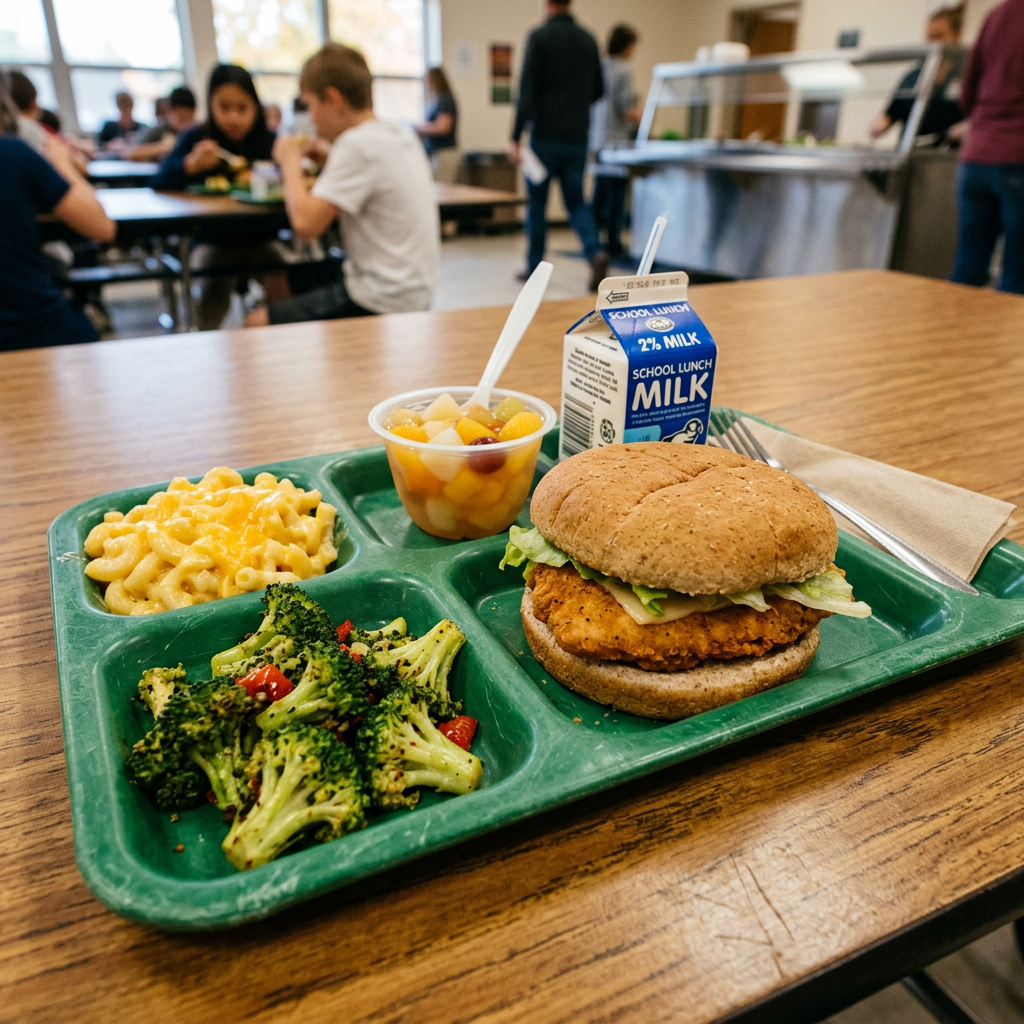
The State of School Lunches
Should the federal government regulate school lunches?
A 2012 rule required most schools to increase the availability of fruits, vegetables, whole grains and fat-free and low-fat fluid milk in school meals; reduce the levels of sodium, saturated fat and trans-fat in meals; and meet the nutrition needs of school children within their calorie requirements. These improvements to the school meal programs were expected to enhance the diet and health of school children, and help mitigate the childhood obesity trend. READ MORE
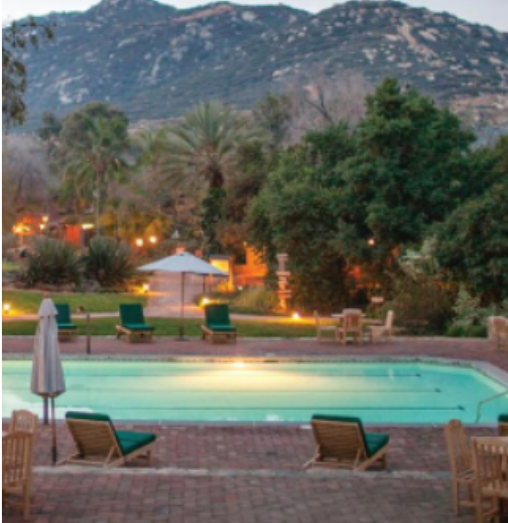
The World’s Top Spa
An enchanting retreat where people rejuvenate, refresh and renew.
Located across the U.S.–Mexico border in Tecate, Baja California, Mexico, Rancho La Puerta is a magical place where people escape from the mundane to revive their souls and gain a fresh outlook on life. Year after year, the Ranch is voted a top spa destination by both Condé Nast Traveler and Travel and Leisure magazines. As for what sets the Ranch apart from other spas and resorts, according to one guest, “something that must be experienced to be explained.” READ MORE

The Changing Body of Golf
Improved fitness levels and better nutrition have changed the way the game is played.
If there’s one sport that hasn’t changed much over the years, it’s golf. Yes, yes, there were multiple rule changes implemented this last year and technology has turned the weekend golfer’s drive from so-so to impressive. But, from the outside looking in, other than the fact that very few still don knickers or a Tam o’ Shanter, golf looks pretty much the same as it did when the Old Course started welcoming guests many centuries ago. READ MORE
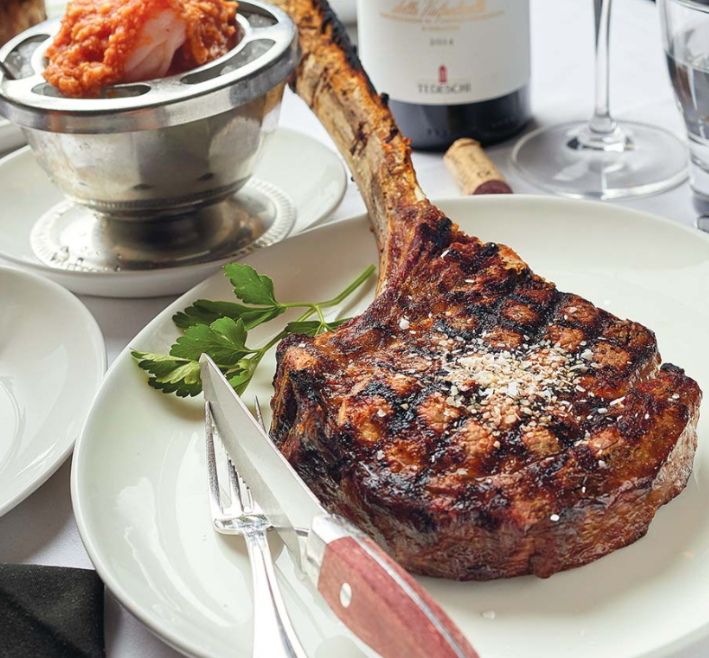
What the Best Steakhouses in America Serve
Indiana-bred Black Angus is served at some of the country’s best steakhouses.
Angus is a particular breed of beef cattle, while prime, choice and select are the three most commonly seen of the USDA’s eight beef grades. Only 2 percent of all beef in the U.S. is labeled prime, with around 45 percent graded choice and 21 percent, select. Typically, Angus has a higher concentration of intramuscular fat, making a USDA prime-grade Angus steak one of the most flavorful cuts of beef in the world—and when it’s dry aged, the flavor becomes even more intense. READ MORE
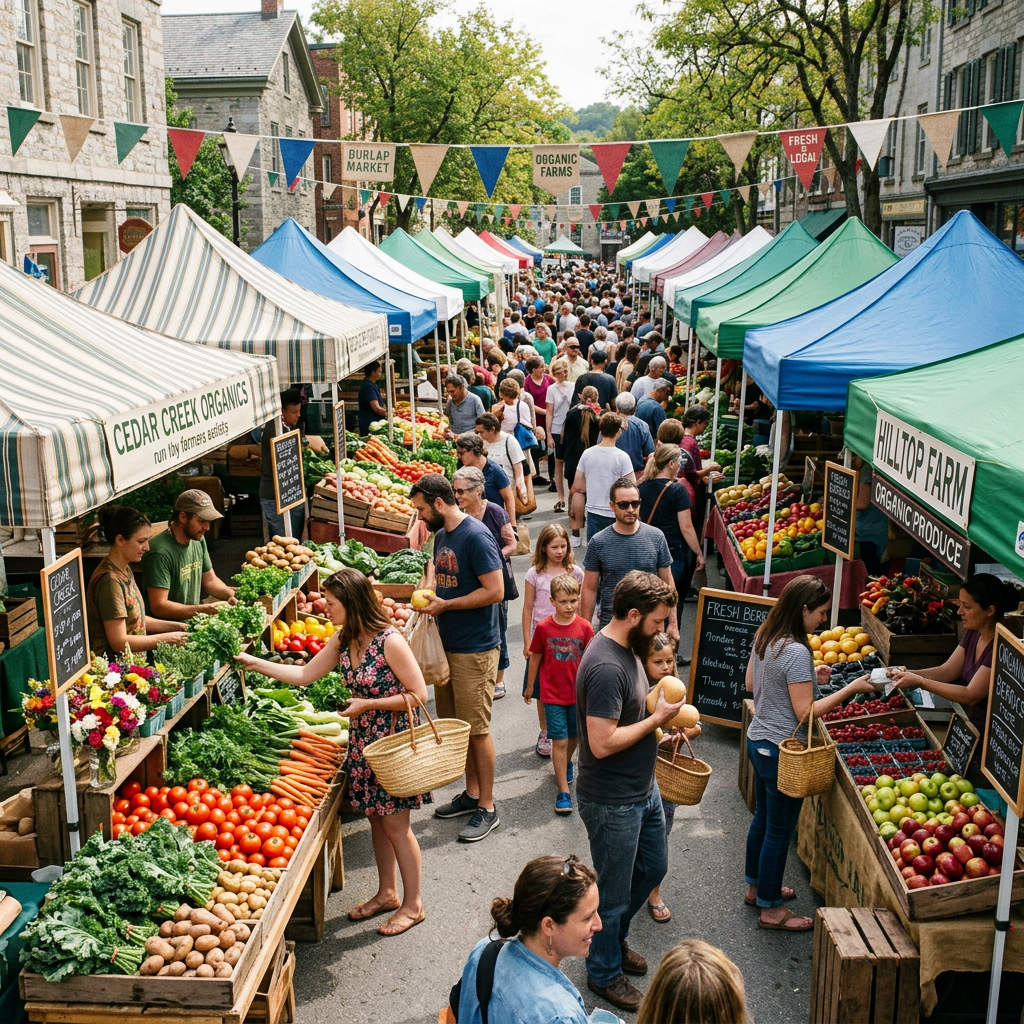
Defining Local
What the word “local” means in the food world.
Consumers are willing to pay more for locally produced foods. I mean, why wouldn’t they? When you buy local, you’re supporting your neighbors, promoting your community’s economy and protecting the environment by jumping on the sustainability bandwagon of the smaller ecological footprint of locally grown food. But what if the products you buy that are labeled local really aren’t local at all? READ MORE

Making Strides Against Breast Cancer
Researchers and doctors alike are on the path to end breast cancer.
The average woman has a 12% chance of developing breast cancer in her lifetime—and a 3% chance of having cancer overall That risk varies based on factors such as weight, diet and tobacco use. But the odds are also influenced by uncontrollable factors, such as ethnicity and family history. Fortunately, strides are being made to better define these risks, promote earlier diagnosis and eventually eradicate the disease. READ MORE

